Healthcare Facility Water Extraction
Healthcare Water Extraction
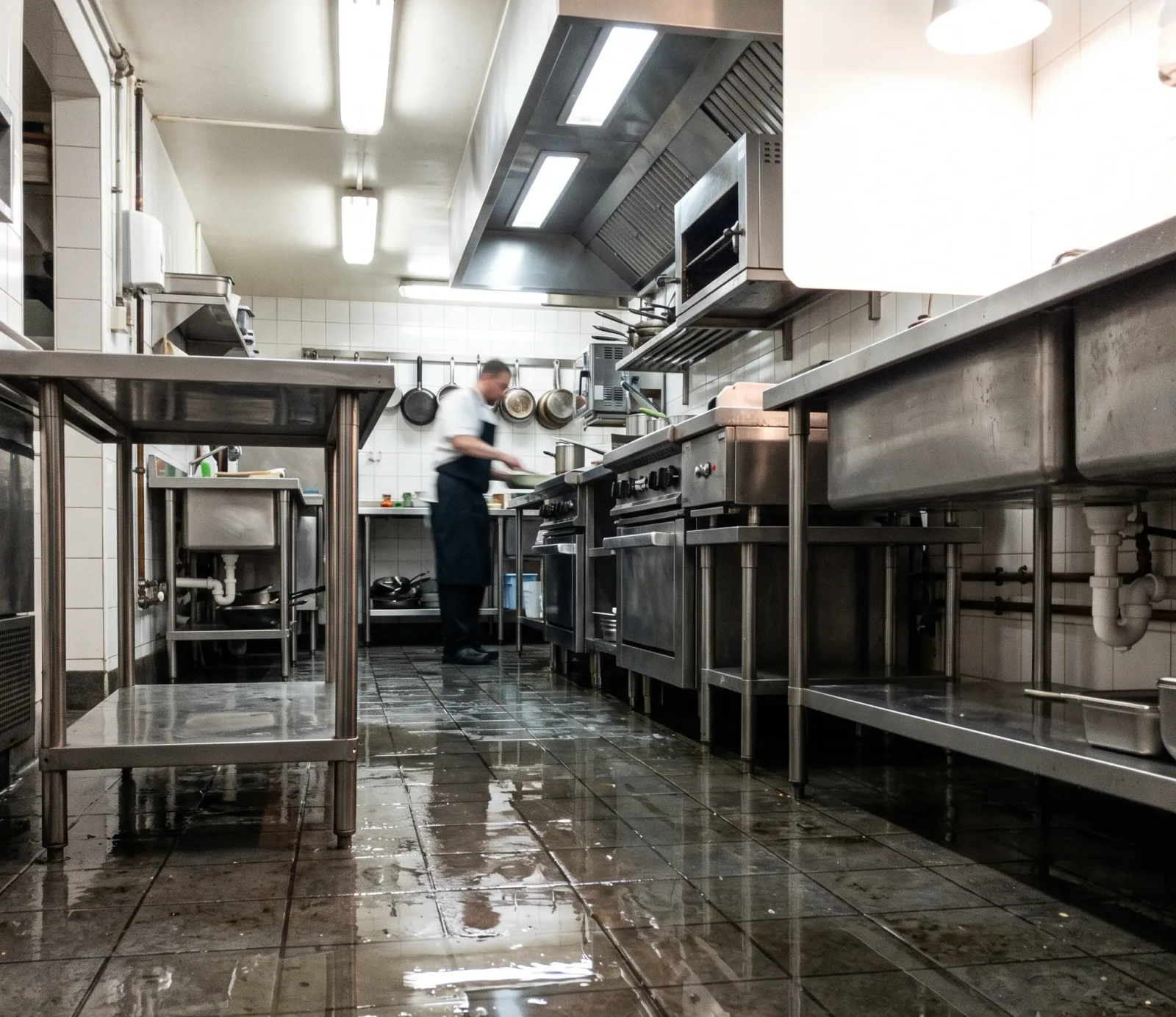
A Lakeville guide to restaurant water extraction, work-area access, and planning around dining and kitchen operations.
Restaurant water extraction removes pooled water from agreed dining, kitchen, and service zones with suitable extraction equipment. The work includes identifying affected areas and setting safe access boundaries. Drying materials and repairing the water source may require separate follow-up.
If standing water is near outlets or powered kitchen equipment, keep staff out and get qualified help. Once an area is safe to enter, the pros we connect you with can assess where water sits and what removal would cover. For a Lakeville restaurant, that first boundary matters: dining, kitchen, and service spaces may need different access plans. This page explains how those zones shape extraction, how removal differs from drying, and what to clarify before work starts. An active leak needs separate attention.
Start with the areas staff can identify without entering unsafe water. Note water beneath dining tables, across a service station floor, or on the kitchen side of a doorway. Those observations help show how spaces connect, but they do not confirm how far moisture traveled. A Lakeville operator can mark each affected area on a simple floor plan and flag routes staff still need. That gives the provider a clearer basis for discussing where equipment can go and which spaces need to stay clear.
Restaurant water extraction is the removal of pooled water from affected restaurant spaces. The pros we connect you with may use pumps or wet vacuums, depending on the area and water present. Commercial kitchen water removal can involve a different work zone from dining or service areas, so name each separately when discussing the job. In Lakeville, use the street address to identify the site; a reference such as Lake Marion does not establish the business address or service boundary.
A useful zone map names the room and its function: dining floor, cooking line, prep area, dish area, or service counter. Mark where water is visible and where staff cannot safely inspect. At a Lakeville restaurant, that map can help the provider describe the intended extraction boundary without treating every connected room as affected. Names such as Grand Prairie Park can help orient someone giving directions, but the street address is what identifies the property for a visit.
Equipment needs a clear route from the entrance to each wet zone. A delivery door may be locked, a corridor may hold supplies, or carts may block a turn. Tell the provider which entrance can be opened and who can clear the route. For a Lakeville site, directions mentioning Interstate 35 may help with general orientation, while the exact entrance and address guide access on arrival. Keep staff movement separate from the extraction path where possible.
| Restaurant area | Water conditions | Access limits |
|---|---|---|
| Guest seating | Water under tables or along floor edges | Move furniture only after access is assessed |
| Cooking line | Pooling between fixed appliances | Keep the equipment route clear |
| Prep benches | Water across open work floor | Pause prep until the area is safe |
| Wash station | Water beside sinks and floor drains | Coordinate access around washing tasks |
| Cold room entry | Water at the sill or door track | Keep stock movement separate from equipment |
| Server pass | Wet floor between kitchen and pickup | Set a staff route around the work |
| Dry storage aisle | Water at shelving feet or cartons | Mark blocked bays before moving stock |
| Receiving door | Water across the delivery threshold | Check whether the address uses Farmington mail service |
Before work begins, ask the provider to identify the spaces included in standing-water removal. Clarify whether the proposed scope covers the dining floor, kitchen, service area, or only selected zones. For a Lakeville restaurant, also ask how the boundary will be handled if water is found beyond the areas staff first reported. A clear scope lets operations know which rooms will be accessed and gives the provider a shared reference for completing the agreed removal.
Visible water removal and drying address different conditions. Extraction takes pooled water out; moisture may remain in flooring, wall bases, or other materials afterward. The pros we connect you with can explain whether moisture assessment or drying equipment is a separate follow-up. A Lakeville operator should ask what completion means for each named zone. A cleared floor alone does not confirm that building materials have dried or that repairs to the source are complete.
The commercial water extraction cost can depend on how much water must be removed, which surfaces are affected, and how many areas the work reaches. Layout also matters: tight turns, equipment in the way, or limited entry can make access more involved. For a Lakeville restaurant, list the affected zones and access limits before requesting a scope discussion. That information helps the provider explain what shapes the work without treating drying, repairs, or reopening decisions as part of extraction.
Coordinate the work sequence with the person responsible for restaurant operations. Identify which room must be cleared first, which route staff need, and who can pause activity in the affected zone. At a Lakeville site, the provider can then discuss how equipment will move through the agreed areas. This planning keeps the removal boundary tied to actual access conditions. It does not determine when the restaurant can reopen; drying and operational decisions may require separate review.
Keep notes connected to the areas discussed. A written scope can name the dining room, kitchen, or service zone and describe the removal work planned there. If operations require one room to stay accessible, tell the provider before the sequence is settled. For a Lakeville restaurant, using a consistent zone name in calls and work notes reduces confusion when the team refers to the same area. Repairs, drying records, and insurer requirements may involve separate steps.
When visible pools are gone, ask whether the provider considers extraction complete in each agreed area. Equipment stopping only tells you that its current removal task has ended; it does not show whether moisture remains in materials. A Lakeville operator can compare the completed zones with the original list and ask what was reached. If an area could not be accessed, clarify whether it falls outside the completed work and what assessment may be needed next.
Do not use a dry-looking surface as proof that the space is ready for use. Water can remain below the surface or at material edges after pooled water is removed. Ask whether moisture checks or drying equipment are recommended for the affected zone. In Lakeville, keep staff away from any area where electrical safety is uncertain, even if water is no longer visible. Extraction does not repair a leak, remove contaminated materials, or establish that the building is restored.
When you call, have the Lakeville street address, a list of affected zones, and the usable entrance ready. Describe what staff observed in the dining, kitchen, and service spaces without entering an unsafe area to gather more detail. Note which routes must remain clear and who can provide access. If directions use a landmark such as Antlers Park or Orchard Lake Park, give the address too; landmarks help orient a visitor but do not replace it.
Before agreeing to a visit, ask the independent provider to explain the proposed removal area and how access will be coordinated. Confirm who will clear each route, which rooms need to be available, and how any newly identified area will be handled. A Lakeville restaurant can also ask what moisture assessment or drying may follow extraction. The pros we connect you with can discuss those boundaries; source repair, contaminated-water cleanup, and restoration are separate scopes that need their own direction.
At a Lakeville restaurant, keep people out of pooled water if outlets, appliances, or wiring may be wet. Define the work around the rooms that keep service moving: dining floor, prep and dish areas, kitchen, storage thresholds, and service passages. The pros we connect you with can remove standing water from agreed zones while your manager sets access boundaries and operating windows. Local references such as Grand Prairie Park, Orchard Lake Park, and South Creek can help orient an address, but cannot show which indoor areas are affected. These decisions shape the plan: locate water, protect routes, define removal, then plan what follows.
For a home or small business, use the linked locations to identify the relevant service area, then verify address eligibility before requesting extraction, includingFarmington, Burnsville and Savage. Confirm any mileage or travel billing for your address before selecting a time for water removal.
A warehouse estimate can reflect each extraction visit, the extent of pooled water, and how often removal is needed. $700–$1,400 offers a guide. Difficult access, continued pooling, or separate checks for damp materials can alter the work and estimate.At a Lakeville business, room count, water depth, floor access, and items to move can change the equipment and labor list, shaping the estimate. When calling, describe affected rooms, nearby machinery, access limits, and possible contamination. Give a nearby landmark, such as Commons Park or Crystal Lake, to help identify the property.Review complete cost ranges in the pricing guide; the commercial overview covers commercial water removal and what may follow for lingering moisture.
Healthcare Water Extraction
Campus Water Removal
Lakeville Hotels
Check beyond the obvious wet patch. Water can move from a dining area into a service passage or collect beneath accessible kitchen fixtures. In Lakeville, note each affected room and threshold, including places staff cannot safely inspect. Keep people away if electrical safety is uncertain. Give the provider your zone list so you can agree which areas commercial kitchen water removal will cover.
Possibly, if the work area can be closed off and safe paths remain for staff and guests. A wet dining section may be unavailable while another room operates, but the layout and water spread matter. In Lakeville, compare the proposed work period with meal service and deliveries. Close routes that cross the active area, and follow the provider’s direction about when access can resume.
Move only loose items that staff can handle safely and that block access to the wet floor. Do not shift heavy appliances, connected equipment, or anything in standing water. In Lakeville, identify fixed counters and equipment when discussing commercial kitchen water removal; they can limit where tools fit. Keep staff clear if water may have reached electrical connections.
Water can also affect nearby belongings, which may need separate attention from the building materials being extracted. Moisture checks can help identify where drying equipment may be needed afterward. Ask which follow-up is included in the proposed work and which needs a separate arrangement. Source repair, sewage cleanup, remediation, and rebuilding are outside water extraction itself.
List affected zones, blocked routes, and operating windows, then ask an independent extraction provider to discuss scope and coordination for your Lakeville restaurant.
Call (952) 866-9355