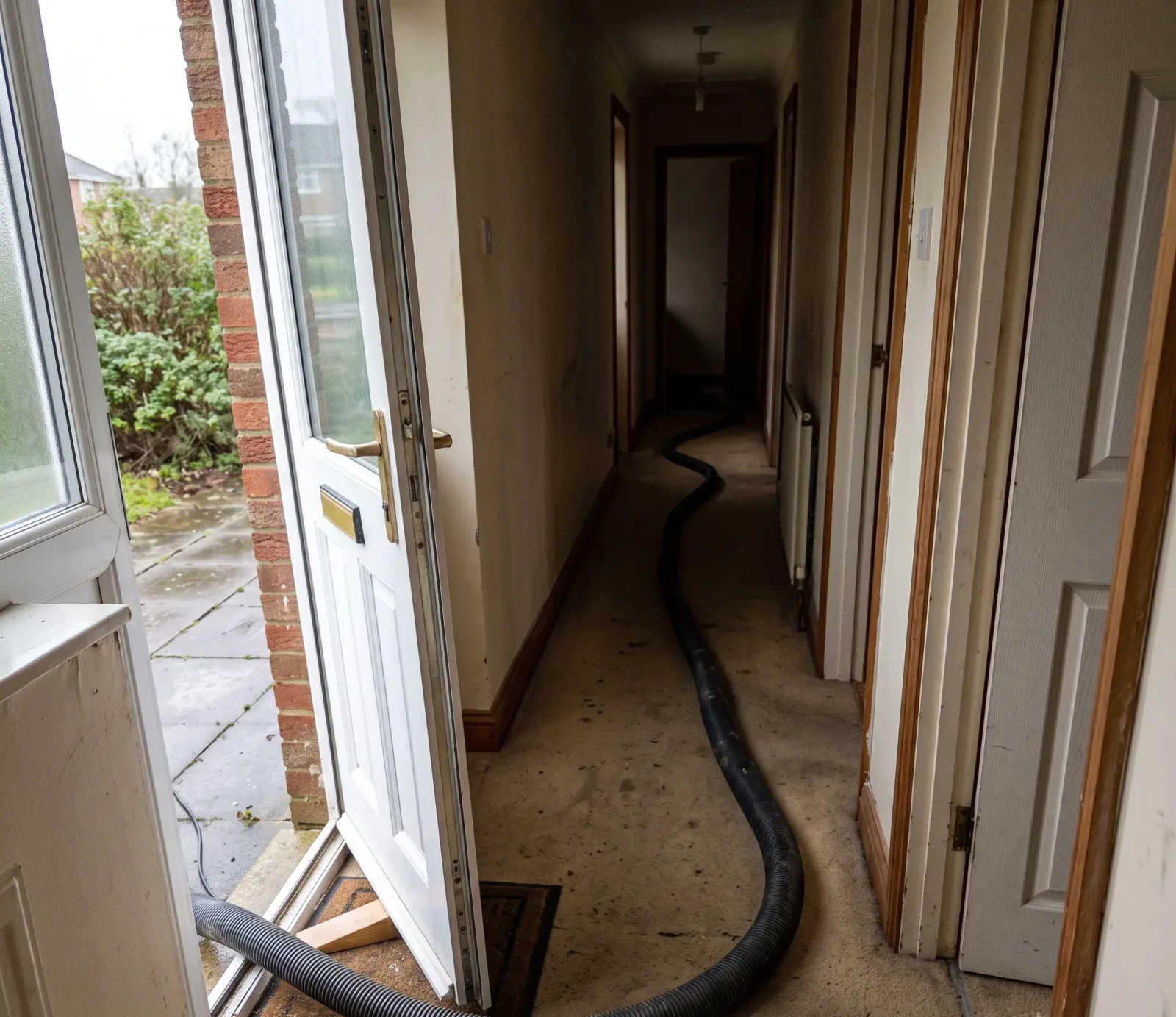
Emergency Response Time
In Lakeville, a water extraction response time cannot be inferred from Lake Marion, Orchard Lake, or South Creek; timing must be confirmed with the pros we connect you with.
Read article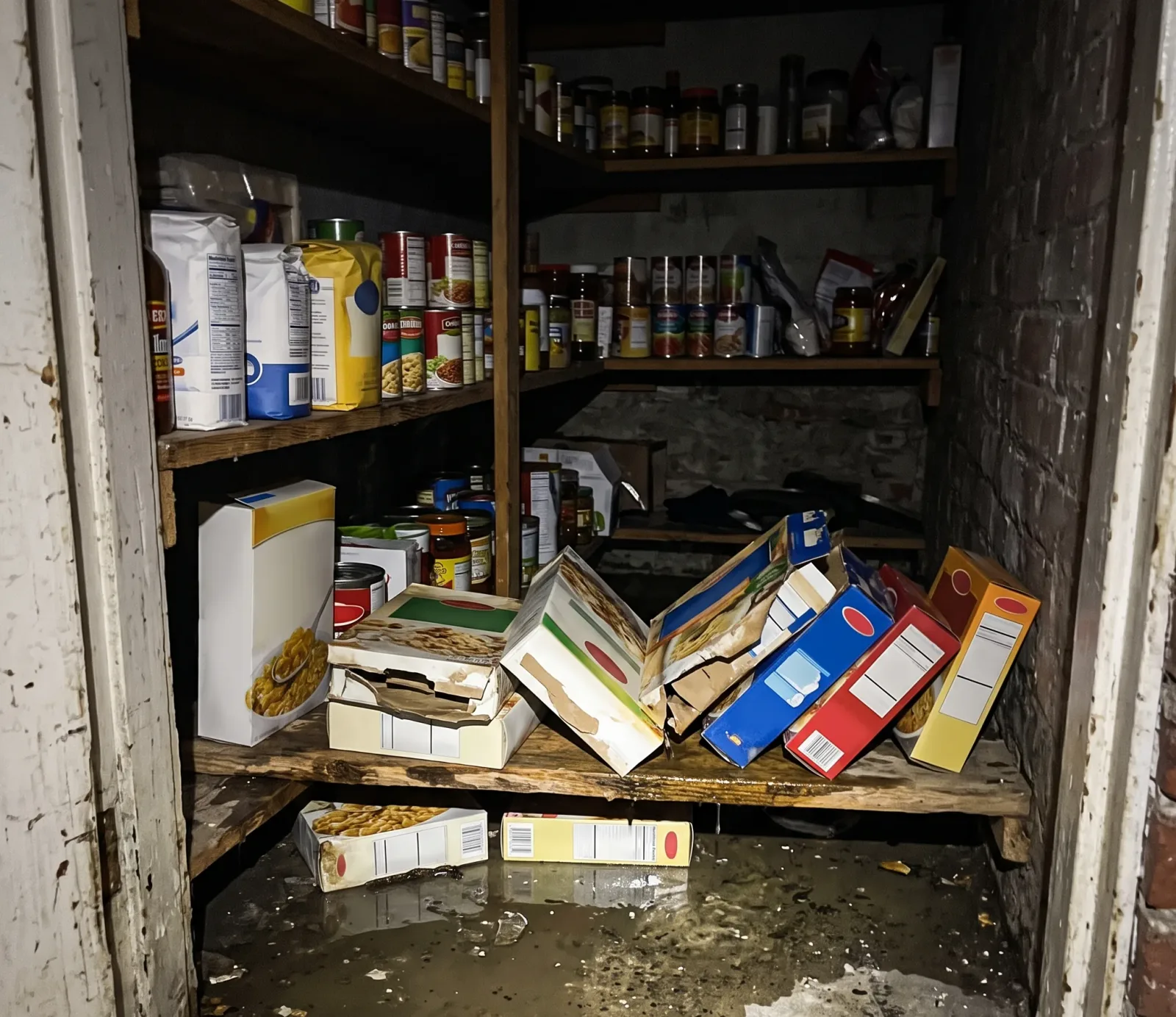
Keep clear of unsafe water; arrange an assessment before basement pumping.
Lakeville’s cold winters and spring thaw can bring changing water conditions, but they do not establish risk at a particular home. Orchard Lake, Lake Marion, and South Creek are local water features, not evidence that a basement is exposed. If water is pooling downstairs, stay out until electrical and structural concerns are ruled out. From a dry place, note how deep it looks and whether the level is changing. That gives the pros we connect you with useful information before they assess basement water removal.
At a Lakeville home, the pros we connect you with first confirm a safe way downstairs, then check water depth, affected areas, and any continuing inflow. The amount to remove, pump access, and stair clearance shape the equipment plan and can affect the work time and estimate. A tight turn or blocked landing may slow equipment setup. If water keeps entering, the pump-out plan may need to pause while the source receives separate attention. Ask for the removal area and any limits in writing.
Note which surfaces and belongings feel damp, so the licensed pros we connect you with can focus their assessment for Basement Water Extraction.
For household water removal, consult residential emergency water extraction for the home scope; use commercial emergency water extraction when you oversee a workplace or rental property and need its service details.
Water gathered at one end of a basement may extend beneath rugs, boxes, or low furniture. From a dry spot, look for the waterline on visible objects and note which rooms are affected. The apparent edge can hide water under stored belongings, so do not move items through an unsafe area to trace it. This information helps the assessor understand the volume and access needed for pumping. It does not establish what may remain in materials after the pool is gone.
A wet outlet, submerged appliance, or damaged ceiling below a water line changes whether the basement can be entered. Keep people away from the affected area when electrical or structural safety is uncertain, and seek qualified guidance. Do not use a household pump or vacuum in standing water under those conditions. Tell the provider what you can see from a safe location. The entry decision comes before equipment choice, since carrying a pump downstairs does not make a hazardous route safe.
If water returns after it has been lowered, the level may still be rising or water may be coming from another part of the basement. Watch it only from a safe, dry location and report the change. A pump can remove accessible pooled water, but ongoing inflow can lengthen the work or prevent a complete removal. The source itself needs separate attention. Do not keep entering to check the floor or try to contain a suspected leak.
From a safe, dry place, note visible depth, affected rooms, and any suspected source. These details help plan the assessment without sending you into the water.
The provider checks electrical concerns, structural signs, and the route downstairs. Work waits if the basement cannot be entered safely.
After assessing depth, spread, and access, the provider pumps or vacuums reachable standing water and notes any continued inflow.
Once pooling is removed, arrange moisture assessment and drying separately. A clear floor does not establish that materials are dry.
Basement floors often sit below the main living level, so water can settle in low areas and collect around stored belongings. Stairs also create a narrow route for people, hoses, and equipment. If the landing is crowded, setup and removal can take longer. Pumping clears accessible standing water, while dampness can remain in flooring or other materials. Arrange moisture assessment and any needed drying as follow-up work; a cleared floor alone cannot show the basement is dry.
Stay out of a flooded basement if water may have reached outlets, appliances, or wiring. Keep people and pets away while the water level is changing. A waterline visible from a dry spot can help show later change. Tell the pros we connect you with what you can see, including whether the level is rising. Lakeville’s Spring Lake and Pike Lake Park are part of the local water setting, but they cannot identify what brought water into your basement. Arrange an assessment before entry to check safety and access.
After entry is judged safe, the pros we connect you with can use a pump or wet vacuum on accessible standing water. The equipment choice depends on water depth and which areas can be reached. In Lakeville, basement layout can affect where removal starts and how water is approached. Items in the way can limit access to parts of the basement. Ask which areas need a separate moisture check; those findings can guide any drying work afterward.
Around Lake Marion, Basement Water Extraction ranges for Lakeville are planning figures. The pros we connect you with can confirm the callout fee and put included work in writing.
| Water's Reach | Liquid Removal | Residual Dampness |
|---|---|---|
| Brief pooling | Wet-vac collection from the reachable part of the affected floor | an estimated $700–$1,400 |
| Bounded area | Lakefront Park vicinity: accessible room-floor pooling drawn into extraction equipment | an estimated $805–$1,820 |
| Area network | Vacuum collection of reachable pooling across the specified room floor | an estimated $700–$1,400 |
| Site wide reach | Water drawn from accessible flooring inside the priced extraction section | an estimated $1,680–$5,600 |
The final amount can reflect more than the extraction itself when additional services or upgraded materials are selected. Ask what each added task covers and whether it can be considered separately. Review those details alongside the full pricing guide before agreeing to the work.
The pros we connect you with assess safe entry, the pool’s depth, and which areas are reachable. They may use a pump for a larger volume or a wet vacuum for a smaller accessible pool. In Lakeville, as elsewhere, the route to the basement and any continuing inflow can affect the plan. Keep out if electrical or structural safety is uncertain, and describe the conditions from a dry location.
Only consider removing water yourself when it is shallow, clearly safe to reach, and manageable with suitable equipment. Water can hide uneven footing, so assess the floor from a dry position before bringing equipment closer. A flooded basement can hide hazards below the surface. If you cannot confirm a safe route or the water is deep or spreading, stay clear and arrange a professional assessment before entry.
The estimate and duration depend on the volume, the number of affected areas, equipment access, and whether water continues to enter. A narrow stairwell or crowded landing can add setup time. The pros we connect you with can describe the planned removal area and any limits after assessing the basement. Ask for those details in writing before work starts.
Tell the provider how the basement is reached and whether the stairs, turns, or landing are obstructed. If water is still entering, mention that along with the access details. The pros we connect you with need a safe route for equipment and hoses; if the route is not safe, they may need qualified guidance before entering. Mention any alternate entrance visible from a safe place.
A pump can move a larger pool of standing water, while a wet vacuum can suit a smaller area that is safely reachable. The water depth, spread, and equipment route help determine the choice. Neither method addresses water still entering the basement. If the level is rising, report that before work so the removal plan can account for the continuing inflow.
From a dry location, share the service address, visible depth, affected rooms, and any source you suspect. Mention whether the level has changed, and describe access concerns such as steep stairs or a blocked landing. In Lakeville, a nearby reference such as Depot Way Art Park may help orient someone, but provide the exact address for the assessment. Do not enter to gather more details.
Budget guidance for basement water extraction is $700–$1,400 for this work. The provider confirms the estimate after reviewing water volume, affected surfaces, access, and the defined removal scope.
Pumps and wet vacuums move pooled water out, while damp building materials remain a separate concern.
In Lakeville, a water extraction response time cannot be inferred from Lake Marion, Orchard Lake, or South Creek; timing must be confirmed with the pros we connect you with.
Read article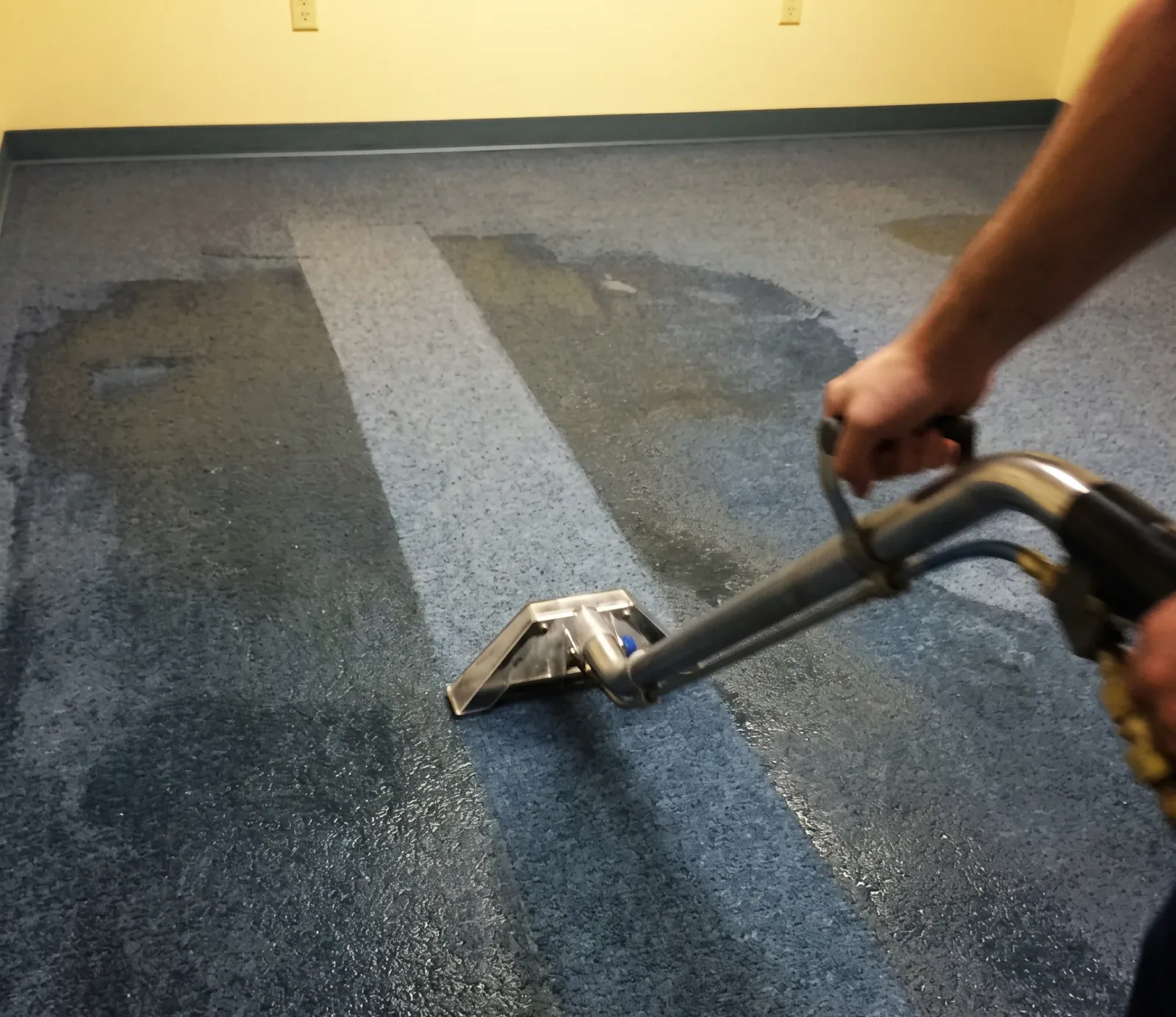
Lakeville water extraction time depends on water depth, reach, and seasonal conditions. Learn what to describe to local pros, with Lake Marion and South Creek as local context.
Read article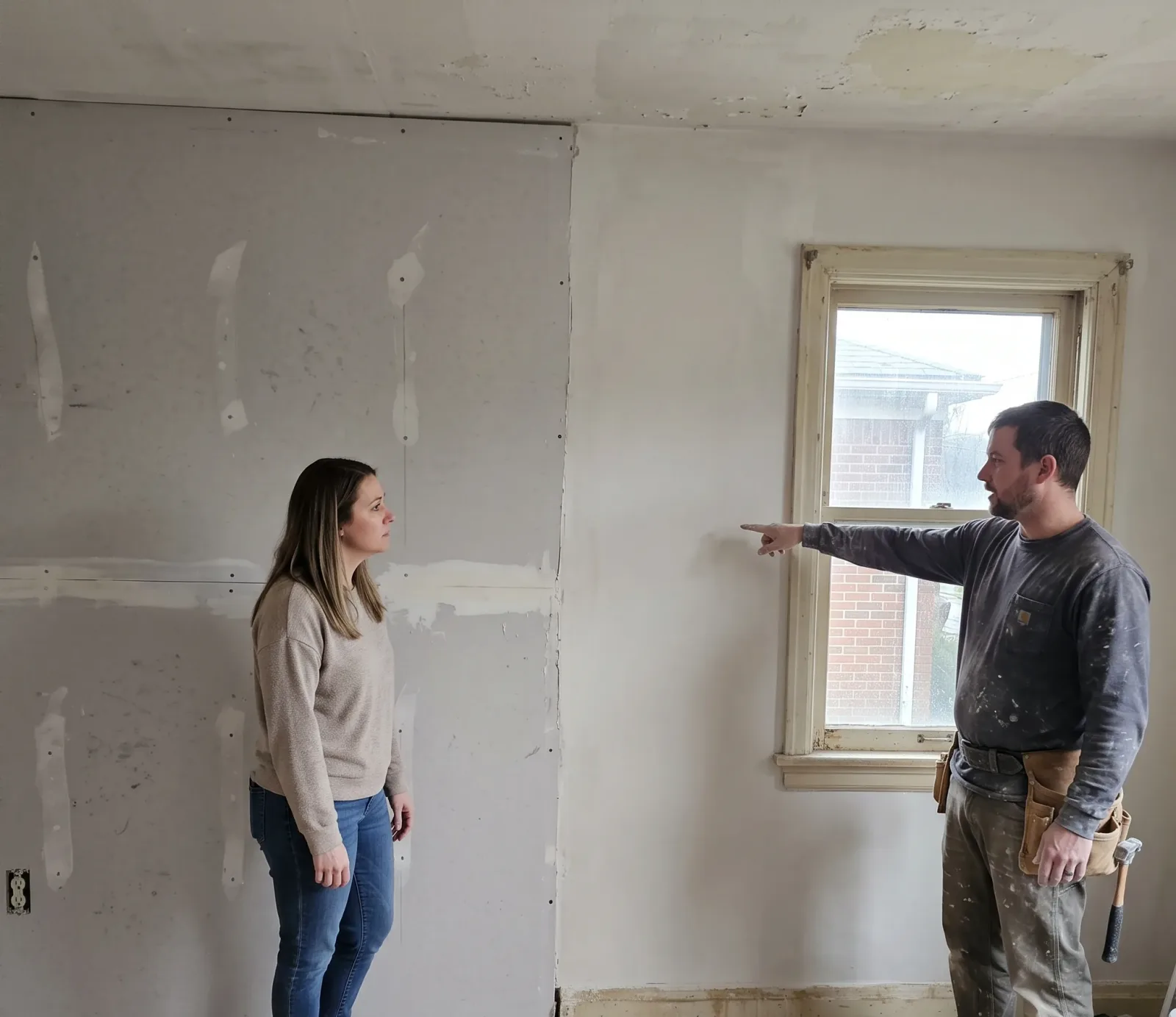
Learn when standing water makes walking unsafe in a Lakeville property, what electrical and floor clues to observe, and how to keep people away.
Read articleA clear floor does not tell you whether the materials beneath it are dry. For a Lakeville request near Interstate 35, share the address and describe the water intrusion when discussing service. Ask the pros we connect you with to confirm coverage for that location, possible timing, and any charge for a visit. A home and a small commercial space may need different removal plans. Ask whether removing wet contents is included in the removal plan.
Call (952) 866-9355