School and Campus Water Extraction
Campus Water Removal
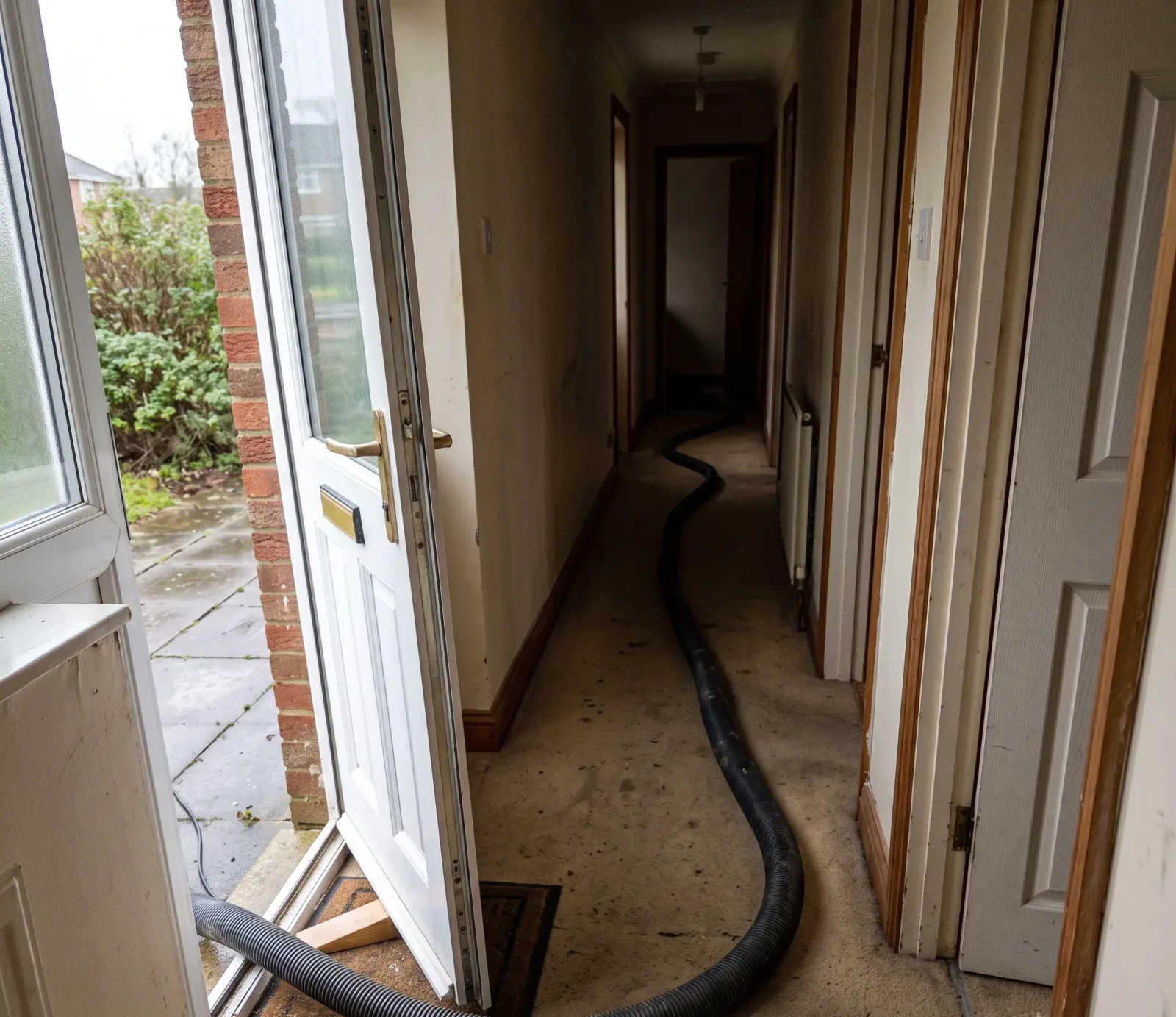
Plan hotel water extraction around room status, equipment access, and staff handoffs in Lakeville.
Hotels in Lakeville can limit disruption by marking affected rooms and routes, agreeing on a work boundary with facilities, and updating front desk staff about closures. Ask an independent provider to explain equipment access, sequencing, and which areas the proposed removal covers.
Hotel water extraction removes standing water from guest rooms and other hotel spaces after an intrusion. In Lakeville, the first planning task is to keep people away from unsafe areas and give the pros we connect you with a clear picture of the affected spaces. Do not enter pooled water when electrical safety is uncertain. Identify which rooms, service areas, and routes may be involved. A specific location list helps facilities and operations discuss the work without treating the whole property as one work zone.
The cost of commercial water extraction can change with the amount of water, the materials and spaces affected, and the access available to the work area. A shallow pool in one service room presents different removal needs from water spread across several guest floors. In Lakeville, ask the provider to explain what conditions shape the proposed scope. Share known access limits and operating constraints so the estimate reflects the actual areas under discussion. Insurance decisions depend on the policy and cause of damage; no payment is assured.
A workable response depends on decisions from people who know the hotel’s layout and daily operations. Facilities staff can identify building access and affected systems, while operations staff can explain guest movement and service needs. Choose a hotel contact who can bring those details together for the pros we connect you with. In Lakeville, make the contact responsible for confirming which spaces may be entered and relaying changes to staff. That shared plan can reduce unnecessary closures while keeping the work boundary clear.
Start with a room and area list, then mark what staff have observed at each location. Note visible pooling, wet floor edges, or water crossing a threshold without guessing how far it traveled. In Lakeville, use the hotel’s room numbers and internal area names; public landmarks such as Prairie Pines Park, Depot Way Art Park, and River Park are not substitutes for building locations. This record gives the provider a usable starting point and helps staff compare the proposed work area with what they reported.
Guest movement changes how a work area can be reached. Tell the provider when arrivals, dining service, housekeeping, or an event uses nearby paths. Then identify alternate routes and spaces that must remain accessible. For a Lakeville hotel, operations can also decide how staff will direct guests away from a closed corridor without sending them through another affected area. Ask which routes equipment and personnel need. Confirm the plan with front desk and facilities staff before the work begins, then update them if access changes.
| Work area | Route needs | Removal plan |
|---|---|---|
| City label | Lakeville, Farmington, or Elko New Market | Confirm the hotel's actual location |
| Work boundary | Rooms and shared spaces affected | Keep teams focused on the same areas |
| Guest detour | Passage around the removal area | Give guests a usable route |
| Staff entry | Service door and equipment path | Reduce crossing with routine duties |
| Room status | Spaces temporarily unavailable to guests | Help front desk manage assignments |
| Quiet periods | Hotel activities near the work zone | Discuss a workable arrival window |
| Shift handoff | Areas reached and water removed | Give the next lead a clear status |
| Pending decisions | Unresolved access or scope questions | Route open items to facilities |
Facilities staff can explain entry rules, service access, elevator use, and any doors that should stay secured. Share those requirements before the pros we connect you with arrive, so the route to the affected area is understood. At a Lakeville property, identify who can authorize entry to guest spaces and who can escort workers through controlled areas. Keep the route limited to what the agreed work requires. This helps staff avoid opening additional spaces or disrupting operations beyond the planned boundary.
Removal work may bring hoses, equipment, and repeated movement through a hotel. Ask where equipment will sit, which doors need to remain clear, and what sounds or activity may reach occupied areas. Use the answers to plan guest communication and staff assignments. In Lakeville, coordinate that plan with housekeeping and front desk staff, since both may need to redirect people during the work. Do not promise guests that an area is unaffected until facilities confirms its status and the provider clarifies the work boundary.
Guest convenience does not make an uncertain area safe. Keep guests and staff out of standing water if it may have reached outlets, appliances, or wiring. Do not send someone in to check the depth or move equipment. In Lakeville, have facilities isolate access and seek qualified help when electrical safety is unclear. Tell the provider about the concern before discussing entry. Work planning can resume after the area is considered safe; a corridor closure is preferable to exposing people to an unknown hazard.
When several areas are affected, ask the provider to explain the proposed work order and what each stage requires from hotel staff. A guest room may be vacant while a service corridor remains essential to operations. In Lakeville, facilities and operations can identify which areas have alternate access and which closures would interrupt core services. The provider can use that information to discuss sequencing. Confirm any planned room or route restrictions before work starts, so staff can adjust assignments and direct guests consistently.
Before removal begins, agree on the locations included in the work and the access the provider expects to use. Ask which reported areas have not been assessed or included, and how staff should raise a newly noticed location. In Lakeville, keep the boundary tied to room numbers and hotel area names rather than broad labels such as a whole wing. A precise scope gives facilities a shared reference during the work and makes it easier to identify a change that needs discussion before the provider proceeds.
Keep a time-ordered record of reported locations, access decisions, closures, and changes to the work area. Assign one hotel contact to capture updates from facilities and operations, so staff are not relying on separate recollections. In Lakeville, note when a location was made unavailable and when the provider reported completing removal there. This record supports an internal handoff between shifts. It also gives the hotel a consistent account to compare with the provider’s written description of the work.
Request a written estimate and a description of the removal work, including the locations it covers. Keep those materials with the hotel’s incident notes and any available photographs of affected areas. In Lakeville, compare the written scope with the room and area list, then ask about any location that appears missing or unclear. These records can help you share the event and work details during insurance review or follow-up. Coverage depends on the policy and circumstances, so the documents do not guarantee reimbursement.
After visible water is removed, ask the provider what locations were addressed and whether any part of the agreed removal remains. Water extraction alone does not establish that floors or other materials are dry. In Lakeville, use the provider’s account to hand affected areas back to facilities for the next decision. Moisture assessment or drying may need separate planning, and repairs to the source are outside water removal. Keep these steps distinct in the hotel’s records so staff know what work has and has not occurred.
To arrange emergency hotel water removal, prepare the affected-area list, access rules, operating constraints, and a contact who can coordinate decisions. Share them with an independent extraction provider and ask how the proposed scope fits the hotel’s routes and schedule. In Lakeville, confirm availability directly; the listed service area does not establish a response time. Ask what locations the provider plans to address, what coordination they need, and what written record they will provide afterward. Those answers let facilities and operations plan the next handoff.
In Lakeville, a hotel's extraction estimate can change with the number of affected rooms, floor surfaces, and equipment routes. A guest corridor may require a different work sequence from a back-of-house area. Note room names, access restrictions, and which locations the provider reaches. Operations can compare those notes with actual closures and hand off rooms that still need attention. Landmarks such as Antlers Park or Orchard Lake can help orient a location note, but room labels must define the work boundary.
Use these community links to check coverage; share the property location and ask whether the pros we connect you with can take the request, includingLakeville, Farmington and Burnsville. Ask how travel to your location is billed, including any added cost for addresses outside the provider’s usual area.
A shop’s commercial quote can reflect each visit and the floor area holding water. Further attendance may change the scope if pooling continues. $700–$1,400 is a guide; access, affected materials, and requested moisture checks can also shape the estimate.At a Lakeville business, room count, water depth, floor access, and items to move can change the equipment and labor list, shaping the estimate. When calling, describe affected rooms, nearby machinery, access limits, and possible contamination. Give a nearby landmark, such as Commons Park or Crystal Lake, to help identify the property.Review complete cost ranges in the pricing guide; the commercial overview covers commercial water removal and what may follow for lingering moisture.
Campus Water Removal
Restaurant Water Removal
Healthcare Water Extraction
Mark wet rooms and nearby routes, then agree with facilities on where work can take place. Ask the provider how equipment will enter and leave, and whether the proposed sequence affects guest circulation. In Lakeville, front desk staff can direct guests around any closed area using the hotel's current layout. When safe, move loose belongings away from wet surfaces and set aside items that need special handling.
Give front desk staff a short update naming the affected service, its temporary change, and the guest option available. Tell them who can confirm room status as work progresses. That keeps explanations consistent when shifts change. For a Lakeville property, include a clear location reference, such as Interstate 35 if it helps orient arriving guests, without suggesting the road is an access route to the work area.
Possibly, but the provider should review the proposed work area and hotel layout before facilities keeps nearby services open. Ask which routes equipment and staff need, and whether a boundary can separate guests from the work. Do not assume a corridor or adjoining room is safe because water is not visible there. In Lakeville, facilities should confirm room status with the provider before reopening an affected area.
Compare the locations included, the planned work sequence, equipment access, and any operating limits the estimate assumes. Ask how added rooms or a changed route would affect the scope. For Lakeville hotels, have facilities identify guest-facing and service areas separately so the provider can address each in the proposal. Commercial water extraction removes standing water; source repairs and later drying require separate discussion.
List affected rooms, service areas, and access limits, then ask an independent provider to review the proposed removal sequence with facilities.
Call (952) 866-9355