Factors That Set Extraction Charges
Lakeville has cold winters and spring snowmelt, conditions that can precede indoor water intrusion. Tell the assessor whether the event followed a thaw, a leak, or another known source. Season alone does not identify what happened inside your home.
Lakeville sources document water features including Orchard Lake and South Creek, along with places such as Casperson Park. These provide local context, but they do not show what caused water inside a particular building. The visit focuses on that property’s conditions and access.
Water-loss calls arise across Lakeville and Dakota through changing seasons. A slow plumbing leak may leave damp materials even when no water is pooled. Extraction clears pooled water, while moisture left in floors or other materials may need separate drying afterward.
Drying After the Visible Water
- FIRST DETAILS
- The initial discussion covers the suspected source, when water appeared, and what you have observed so far.
- SITE REVIEW
- The walk-through checks surfaces, room connections, access limits, and hazards before the removal area is set.
- SAFE ACCESS
- Pool depth, surface type, and obstacles guide the equipment choice for collecting water.
- METHOD CHOICE
- The agreed scope names where pooled water will be collected; the visit does not settle every other concern.
- WATER REMOVAL
- The pros we connect you with remove pooled water from accessible areas, adjusting equipment placement as water depth and surface access change.
- DRYING STAGE
- The season alone may not identify whether water began indoors or came from outside. Tell the assessor whether a thaw, rainfall, or plumbing issue came before you noticed water; timing helps frame the site review.
- POLICY TERMS
- an estimated $250–$1,300
How Water Travels Between Rooms
Water damage drying addresses damp materials after pooled water has been collected. It may appear alongside extraction in a cleanup plan because both can be part of the same response, but each names a separate task. Check the written scope for the task each item describes. Extraction means collecting pooled water from surfaces; drying names later equipment use for damp materials. Ask which task is planned if the scope uses a broad cleanup label.
Factors That Shape Water Removal
The visit starts with a review of the reported source, timing, access, and visible concerns. The assessor checks how water sits across the affected surfaces and identifies hazards that could limit entry. In Lakeville, this review gives the household or small business a defined area and an explained plan for urgent removal.
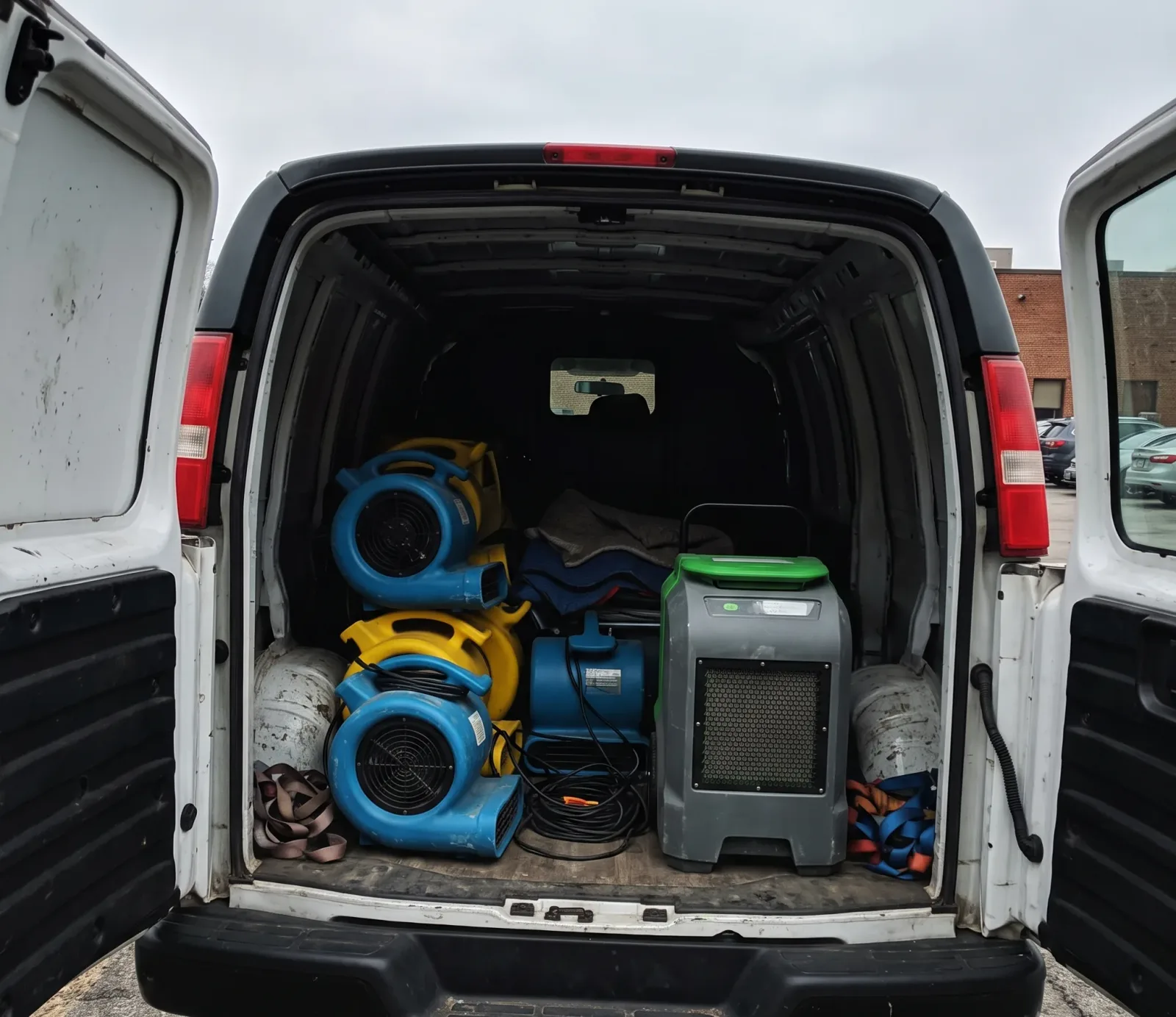
After the scope is agreed, the pros we connect you with select equipment for the pool depth and surface. Pumps move larger collections; wet vacuums handle shallower water and tighter edges. They work through the included area, collecting pooled water while accounting for access and obstacles.
When pooled water is reachable in one contained area, removal may wrap up in a single appointment. Water extending under finishes or into adjoining spaces can leave more work after pumping. Ask the pros we connect you with whether follow-up moisture checks or drying belong in the plan.
WHAT PUMPING CLEARS VERSUS WHAT LATER DRYING ADDRESSES
| Work Sequence |
Removal Setup |
|---|
| Low areas holding removable water | Home or business |
| Repeat pooling following initial removal | Check policy terms |
| Standing water in separate sections | Pooling cleared; dryers placed |
LOSS RECORDSA clear record of which rooms and materials show moisture can help the licensed pros we connect you with focus on affected areas, while notes about what was already wet keep later descriptions tied to visible conditions. For billing clarity, ask whether the invoice charge covers water removal alone or includes another service; this is a practical request, not a state form rule.
When Airflow And Drying Equipment Help
As pooled water sits, it can move beneath furnishings and across connected flooring. That can enlarge the affected area and complicate access for removal. In a Lakeville home or small shop, a delayed visit may leave more surfaces involved, so the assessor needs to understand where the water has traveled.
Record Rooms Reached in Lakeville
If a clearly labeled water shutoff is reachable without entering a wet area, you may turn it off. Do not open electrical panels, handle soaked wiring, or take apart plumbing. Leave heavy belongings where they are. Tell the provider what you could safely observe and wait for the area to be assessed.
Conditions That Make Entry Unsafe
Water that may contain sewage or chemicals can expose people through contact. Keep children and pets away, avoid handling soaked items, and tell the provider what you know before work begins. Cleanup may require a separate contaminated-water scope. If the source or contents are uncertain, do not assume the water is safe to touch.
See How Water Removal Fits The Affected Space
Describe the wet area, water depth, and obstacles to bringing equipment inside; have the pros we connect you with explain what their estimate includes.Lakeville estimates should describe the affected area, amount of standing water, access, and removal work; no local price band is verified. Ask whether moisture checks or drying are included. Ask whether moving furniture away from wet areas is included in the cleanup scope. Ask the pros we connect you with to put any visit charge and exact work in writing before scheduling.The pricing guide sets out cost ranges alongside conditions that can shift the work total.