Factors That Set Extraction Charges
Lakeville’s lakes, wetlands, and South Creek give the city useful water context, but they do not establish conditions at your property. For a home near Orchard Lake Park or Grand Prairie Park, the estimate still needs to reflect the actual rooms, water, materials, and access.
Cold winters and spring snowmelt can contribute to indoor water intrusion in Lakeville. A home near Antlers Park or Casperson Park still needs a site-specific estimate; a park or lake name does not show what happened inside. Ask the provider to base the scope on observed water and access.
A city or county name does not pinpoint where water removal is needed. Moisture can spread beneath flooring before the wet area becomes obvious.
Safe Access Comes First
- WATER LOCATION
- Water depth, spread, and the number of affected areas help define how much removal work the estimate covers.
- FLOOR SURFACES
- Surface materials, stored contents, and the route to the water can change the labor involved.
- ROOM ACCESS
- Drying equipment addresses remaining moisture and may appear as a separate task after water removal.
- ADDED WORK
- Ask how the provider will record new findings and explain any scope change before adding charges.
- WRITTEN SCOPE
- A clear description of the work area helps the licensed pros we connect you with explain what the service covers and which preparation steps matter.
- DRYING STAGE
- Lakeville’s freezing season can stiffen hoses, while thaw periods may carry grit indoors and add cleanup around work. Near Orchard Lake and South Creek, weather alone does not set the extraction estimate; ask which seasonal conditions could change equipment or labor charges.
- POLICY TERMS
- an estimated $250–$1,300
Finding the Water’s Starting Point
Water damage restoration cost can include tasks beyond extracting pooled water. The terms can be confused when one estimate groups removal, drying, and other work together; ask for separate descriptions and charges. Compare the task descriptions and charges. An extraction estimate covers removal of pooled water from named areas; a broader restoration estimate may include drying or other work. Ask the provider to separate those tasks so you can see which amount applies to extraction.
Where Extraction Work Stops
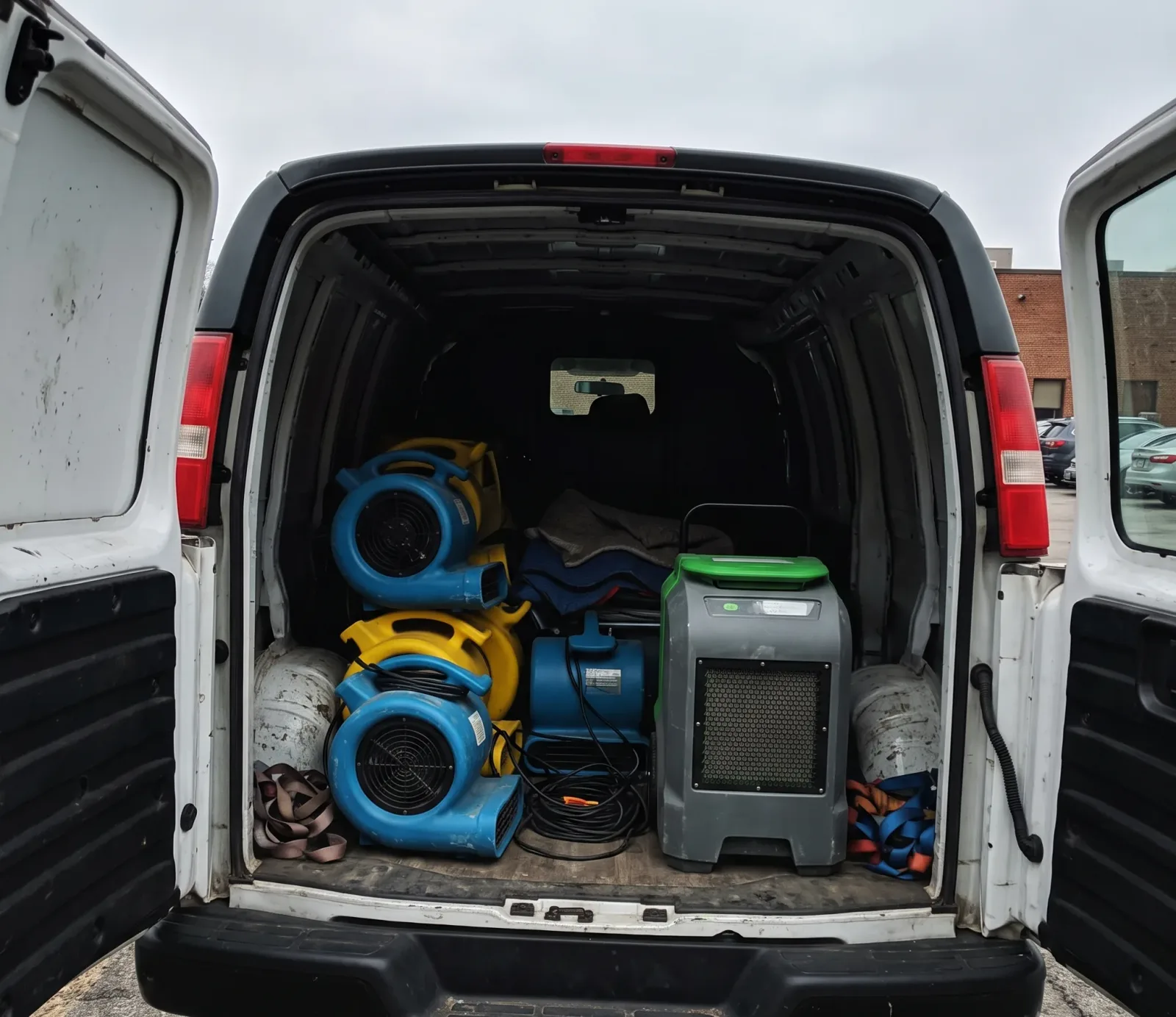
The pros we connect you with review the visible water, affected rooms, surfaces, and route into the space. They use that inspection to define the extraction estimate and note access limits or assumptions. For removal, pumps or wet vacuums draw pooled water into collection equipment. The written scope should identify the areas and tasks covered.
Once pooled water is removed, the provider can document which areas were addressed and identify any proposed work beyond extraction. Moisture checks may show where drying equipment is needed, with that work listed separately. Ask the provider to record revisions if the inspected scope changes, including the added area and related charge.
When pooled water is reachable in one contained area, removal may wrap up in a single appointment. Water extending under finishes or into adjoining spaces can leave more work after pumping. Ask the pros we connect you with whether follow-up moisture checks or drying belong in the plan.
WHERE WATER EXTRACTION ENDS AND MOISTURE WORK TAKES OVER
| Work Sequence |
Removal Setup |
|---|
| Water settled across reachable floor areas | Affected material scope |
| Fresh standing water after prior clearing | Electrical safety first |
| Water spread past its original footprint | Surface water extracted; drying arranged |
LOSS RECORDSMinnesota does not issue a state license for emergency water extraction. Do not read a contractor license requirement into extraction alone. Ask for an invoice that names the removal work and separates any additional tasks. Keep the estimate and final work record together; they show what the charge covered.
When Airflow And Drying Equipment Help
Water left in a room can spread across flooring and into adjoining materials. Belongings resting on wet flooring may absorb moisture even if they were not directly splashed. Delays can therefore widen the work under discussion. An estimate should describe the current extraction area and allow the provider to document newly found water.
Record Rooms Reached in Lakeville
From a dry location, you can note which rooms show water and take photos for the estimate. Keep people and pets clear of wet areas. If a shutoff is reachable without crossing water or touching electrical equipment, you may turn it off. Stop if access is uncertain; leave extraction and hazard checks to qualified help.
Who Can Assess a Hazardous Area
Unknown water sources may leave contaminants on surfaces after the visible pool is gone. Water can carry electrical current across a floor, while slippery surfaces raise fall risk. Keep household members and customers out; do not test the area by stepping in. If you cannot tell whether power equipment is affected, wait for qualified help before anyone approaches.
See How Water Removal Fits The Affected Space
Describe the wet area, water depth, and obstacles to bringing equipment inside; have the pros we connect you with explain what their estimate includes.Lakeville estimates should describe the affected area, amount of standing water, access, and removal work; no local price band is verified. Ask whether moisture checks or drying are included. Ask whether moving furniture away from wet areas is included in the cleanup scope. Ask the pros we connect you with to put any visit charge and exact work in writing before scheduling.Review the pricing guide for possible cost bands and details that influence the amount.